Genetics
CRISPR and Genetic Pioneering
- February 22, 2024
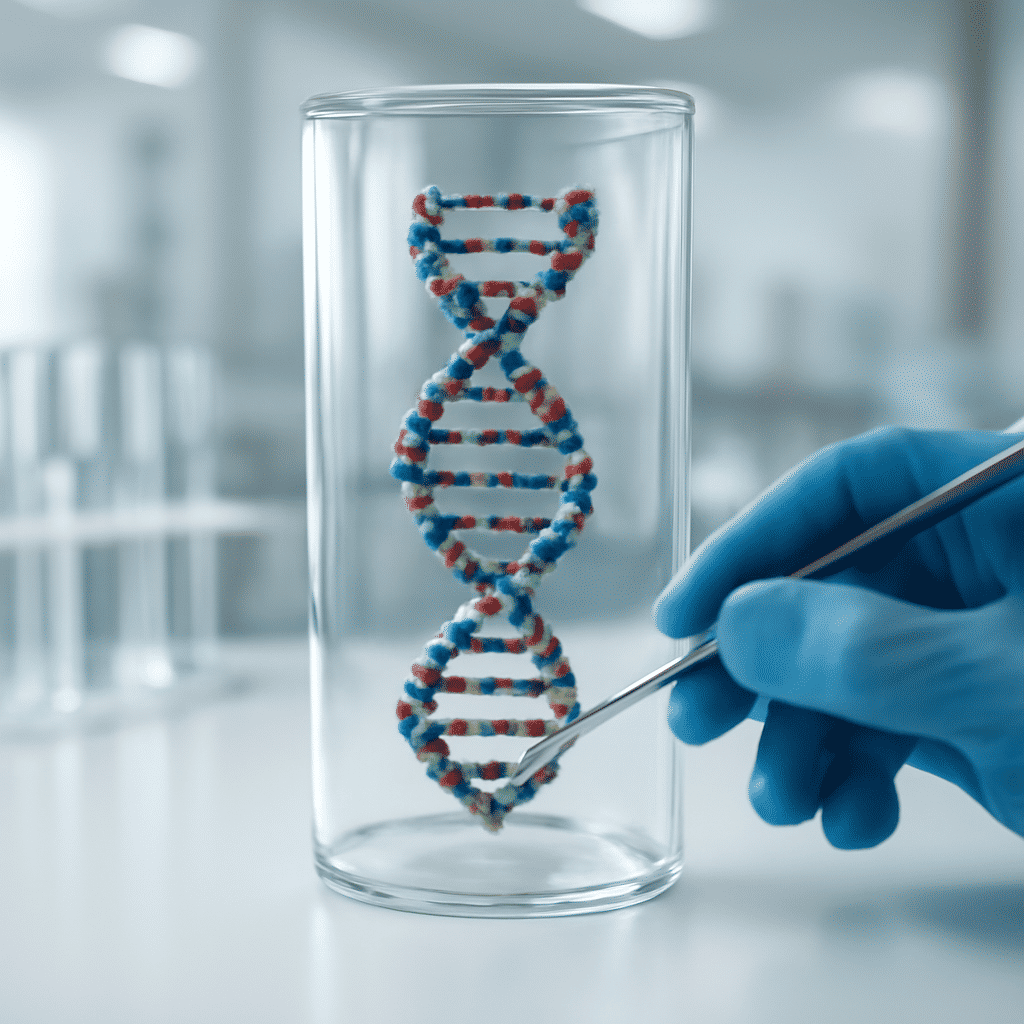
CRISPR technology, standing for Clustered Regularly Interspaced Short Palindromic Repeats, has emerged as one of the most promising breakthroughs in the field of genetic engineering and biomedicine in recent years. Its precision and versatility have revolutionized the way scientists approach the editing of genomes, introducing transformative possibilities that extend far beyond the current boundaries of healthcare and agricultural biotechnology.
At its core, CRISPR technology utilizes a natural defense mechanism found in bacteria, which enables them to fend off viral attacks. This system consists of two key components: a guide RNA that can be tailored to match a specific DNA sequence, and the Cas9 protein, an enzyme that acts as molecular scissors to cut the DNA at the specified location. Once the DNA is cut, scientists can manipulate the sequence through a variety of methods, including inserting, deleting, or repairing genes with astonishing accuracy.
Healthcare stands to benefit significantly from CRISPR advancements, particularly in the arena of genetic disorders. Diseases such as cystic fibrosis, sickle cell anemia, and Duchenne muscular dystrophy, each rooted in specific genetic mutations, are prime candidates for CRISPR-based therapies. By directly targeting and correcting the faulty genes responsible for these conditions, CRISPR holds the potential to not just treat, but cure, ailments that were once deemed incurable. Initial successes in clinical trials have already demonstrated the feasibility of CRISPR as a therapeutic tool, highlighting its potential to deliver lasting, one-time treatments.
Beyond treating genetic disorders, CRISPR’s applications in oncology are making waves, offering a powerful method to edit the genes of T-cells, enabling the immune system to more effectively target cancer cells. By enhancing the body's natural defenses and customizing immune responses, CRISPR could play a pivotal role in developing personalized cancer therapies that are more effective and less harmful than traditional treatments.
In agricultural biotechnology, CRISPR is paving the way for a new era of genetically modified organisms (GMOs). By introducing precise changes to plant genomes, researchers are developing crops that are more resistant to disease, have higher nutritional value, and can withstand challenging environmental conditions. This not only promises to improve food security and crop yields but also aligns with sustainable agriculture practices by potentially reducing the need for chemical pesticides and fertilizers.
Despite its groundbreaking potential, the deployment of CRISPR technology comes with ethical and safety considerations that must be addressed. The ability to alter human genomes raises profound questions about the potential for unintended consequences, the ethics of germline editing, and the implications of 'designer babies'. Rigorous regulatory frameworks and international dialogue are essential to navigating these challenges, ensuring that CRISPR’s benefits are maximized while minimizing risks.
As the scientific community continues to refine CRISPR technology and expand its applications, the potential for genetic pioneering grows with each passing day. By unlocking the secrets of our DNA and reshaping the biological world with unprecedented precision, CRISPR not only promises a future where disease can be corrected at its genetic root but also where the fundamental nature of life itself can be explored and understood in ways previously thought impossible. In the ever-evolving landscape of genetics, CRISPR stands as a hallmark of human ingenuity and a beacon of hope for breakthroughs yet to come.