Energy
The Future of Renewable Energy
- March 10, 2024
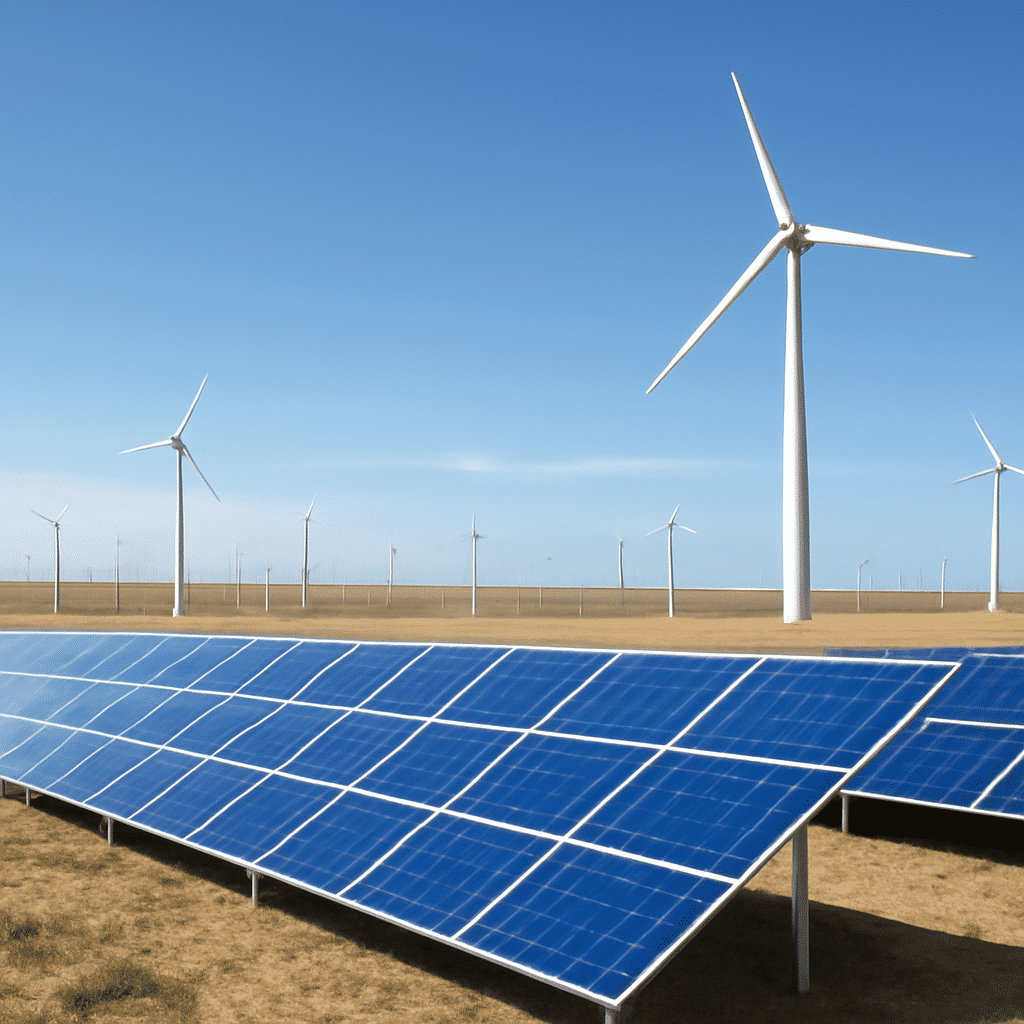
As the world grapples with the pressing need to combat climate change, renewable energy stands at the forefront of the global energy transition. Solar and wind power, the most widespread forms of renewable energy, are undergoing a revolution of innovation that promises to transform how we generate and consume energy. Recent advancements in these technologies are making sustainable energy sources more viable, efficient, and accessible than ever before.
Solar Energy Innovations
One of the most significant developments in solar technology is the advent of perovskite solar cells. Unlike traditional silicon-based cells, perovskite solar cells are cheaper to produce and can be manufactured using simple printing techniques. Recent breakthroughs have led to a significant increase in their efficiency, with some laboratory tests achieving over 25% efficiency, rivaling that of traditional silicon solar cells. Furthermore, their flexibility allows them to be applied to a variety of surfaces, from windows to wearable devices, widening the scope for solar energy integration.
In addition to perovskites, tandem solar cells have also emerged as a promising advancement. By stacking multiple layers of solar cells that absorb different parts of the light spectrum, tandem cells can capture more solar energy than conventional single-layer cells. Researchers have achieved efficiencies exceeding 30% in some experimental models, setting new benchmarks for solar electricity production.
Further complementing these advances is the development of solar technologies that can operate in adverse conditions. Improvements in photovoltaic material stability are allowing solar panels to withstand extreme temperatures and weather conditions, expanding their placement possibilities from deserts to the poles.
Wind Power Advancements
Wind energy, a staple of renewable power, has not been left out of the innovation wave. A key focus has been on increasing the size and efficiency of wind turbines. The new generation of turbines boasts rotor diameters exceeding 200 meters, capturing more wind at higher altitudes where speeds are typically greater. This leads to greater energy output with fewer turbines needed, reducing environmental and visual impacts.
Floating offshore wind turbines represent another pioneering stride in wind technology. These installations allow turbines to be placed in deeper waters further from the coast, where winds are stronger and more consistent. As a result, floating turbines have the potential to unlock vast new areas for wind energy development, previously inaccessible with traditional fixed-bottom designs.
Moreover, advancements in artificial intelligence and machine learning are optimizing wind farm performance. Predictive maintenance, aerodynamic optimization, and energy forecasting models are all part of a smart approach to harnessing the wind, ensuring that every breeze can be efficiently converted into usable power.
The Integrative Power of Storage and Smart Grids
As solar and wind technologies advance, the role of energy storage and smart grid technology becomes increasingly critical. Efficient storage solutions address the intermittency of renewable energy, ensuring a stable and reliable power supply. Lithium-ion batteries remain the leading choice for storage, but emerging alternatives like solid-state batteries and flow batteries offer exciting potential for higher capacity and longer lifespan.
Simultaneously, integrating renewable energy sources into smart grid systems is revolutionizing how energy is distributed and consumed. These grids not only manage supply and demand efficiently but also facilitate real-time monitoring and control, optimizing energy use across entire communities.
Conclusion
The future of renewable energy is bright and promising, driven by relentless innovation in solar and wind technologies. As efficiency and integration improve, the potential for renewables to meet global energy demands becomes more attainable. By continuing to invest in and embrace these groundbreaking technologies, societies worldwide can hasten the transition to a clean energy future, helping to alleviate climate challenges while fostering sustainable growth.