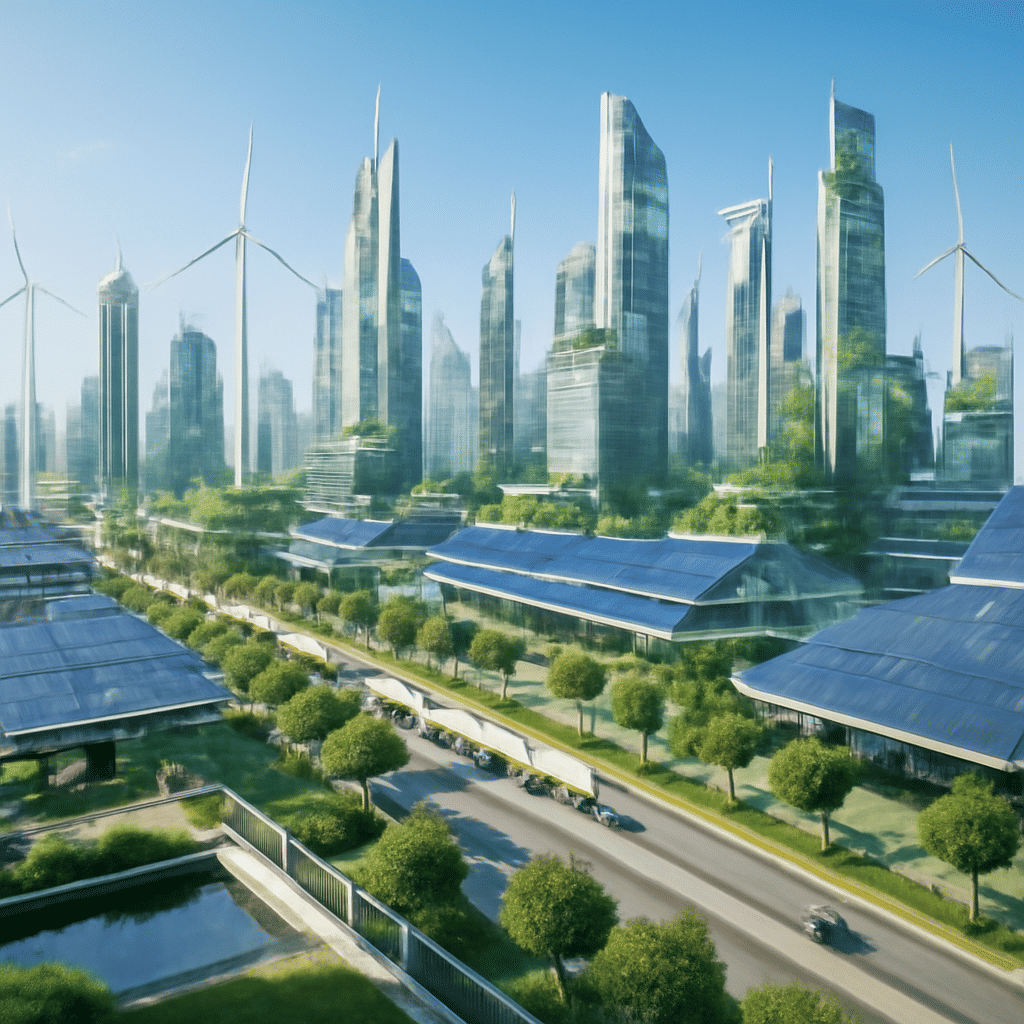
As the world grapples with the impacts of climate change and diminishing natural resources, sustainable technologies are emerging as pivotal solutions in environmental preservation and innovation. These technologies are not only revolutionizing industries but also offering hope for a more sustainable future. Here, we explore some of the leading sustainable innovations making a significant impact globally.
Renewable Energy Technologies
The shift from fossil fuels to renewable energy sources is critical in reducing greenhouse gas emissions. Solar, wind, and hydropower technologies are leading the charge by providing clean, inexhaustible energy. Advances in solar panel efficiency and the development of offshore wind farms are significantly boosting energy outputs while reducing costs. Additionally, innovations like floating solar farms and vertical-axis wind turbines are overcoming traditional limitations of renewable energy systems, making them more accessible and efficient.
Energy Storage Solutions
One of the main challenges of renewable energy is its intermittent nature. Energy storage technologies, such as advanced lithium-ion batteries and emerging solid-state batteries, are addressing this issue by storing surplus energy for times when production is low. Grid-scale energy storage systems are being developed to ensure stability and reliability of energy supplies, paving the way for a future where renewable energy can consistently meet global demands.
Sustainable Agriculture Practices
Agriculture is a major contributor to environmental degradation, but innovative technologies are transforming how we produce food. Precision farming uses technology such as GPS and IoT sensors to optimize field-level management regarding crop farming. This leads to more efficient resource use, reducing water and chemical inputs and minimizing waste. Vertical farming and aquaponics are also gaining traction, utilizing urban spaces and reducing the strain on arable land by offering high productivity in smaller areas.
Circular Economy and Waste Reduction
The traditional linear economy model of "take-make-dispose" is being replaced by circular economy principles, where resources are reused, repaired, and recycled. Technologies that facilitate waste-to-energy conversions, such as anaerobic digestion and pyrolysis, are transforming waste into valuable resources. Innovative materials and design approaches are promoting product longevity and recyclability, ultimately reducing the demand for virgin materials.
Green Building Technologies
The construction industry is seeing a surge in sustainable innovations aimed at reducing energy consumption and CO2 emissions. Green buildings utilize a variety of technologies, such as smart HVAC systems, energy-efficient lighting, and sustainable building materials. The incorporation of green roofs and walls not only improves insulation but also contributes to biodiversity in urban areas. These innovations not only decrease environmental footprints but also enhance the quality of life for occupants.
Sustainable Transportation Solutions
Transportation is another major area where sustainable technologies are making an impact. Electric vehicles (EVs) are becoming more mainstream as battery technology improves and charging infrastructure expands. Meanwhile, hydrogen fuel cells and biofuels present alternative solutions to powering vehicles without emitting harmful pollutants. Furthermore, smart transportation systems and app-based ridesharing platforms are optimizing traffic flow and reducing the number of vehicles on the road.
Water Conservation Technologies
Water scarcity is a growing concern, and new technologies are being developed to address it. Water-efficient appliances, smart irrigation systems, and advanced water purification methods, such as membrane filtration and solar desalination, are helping to conserve fresh water sources. These technologies ensure that future generations have access to one of Earth’s most vital resources.
In conclusion, sustainable innovations across various sectors are not just beneficial for the environment but are also economically viable, creating new industries and job opportunities. As global awareness and environmental consciousness continue to grow, these technologies offer a promising path toward a more sustainable and equitable world. Embracing and investing in these innovations will be crucial in ensuring a healthy planet for future generations.